


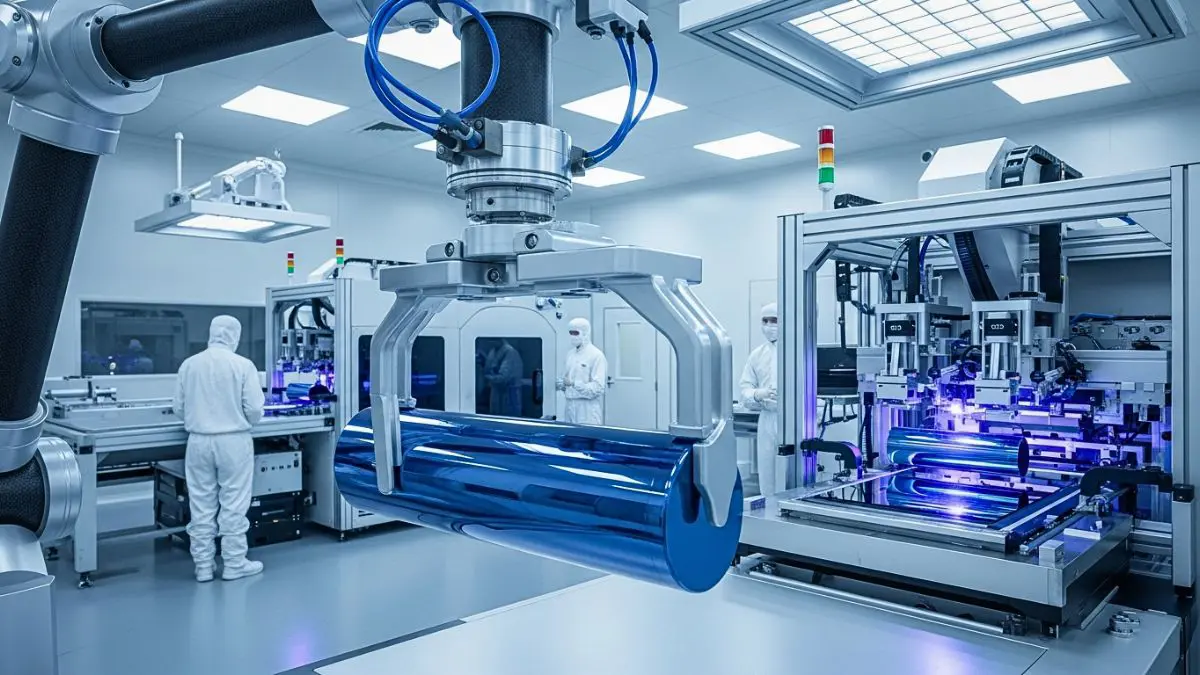
The Growing Importance of Solar Wafers and Ingots
As India strives to meet its ambitious renewable energy targets, the role of solar wafers and ingots becomes crucial. These components are essential in the production of solar cells and ultimately solar panels, which are pivotal in harnessing solar energy. With the government aiming to achieve 450 GW of renewable energy capacity by 2030, understanding the market dynamics of solar wafers and ingots is essential for stakeholders.
What are Solar Wafers and Ingots?
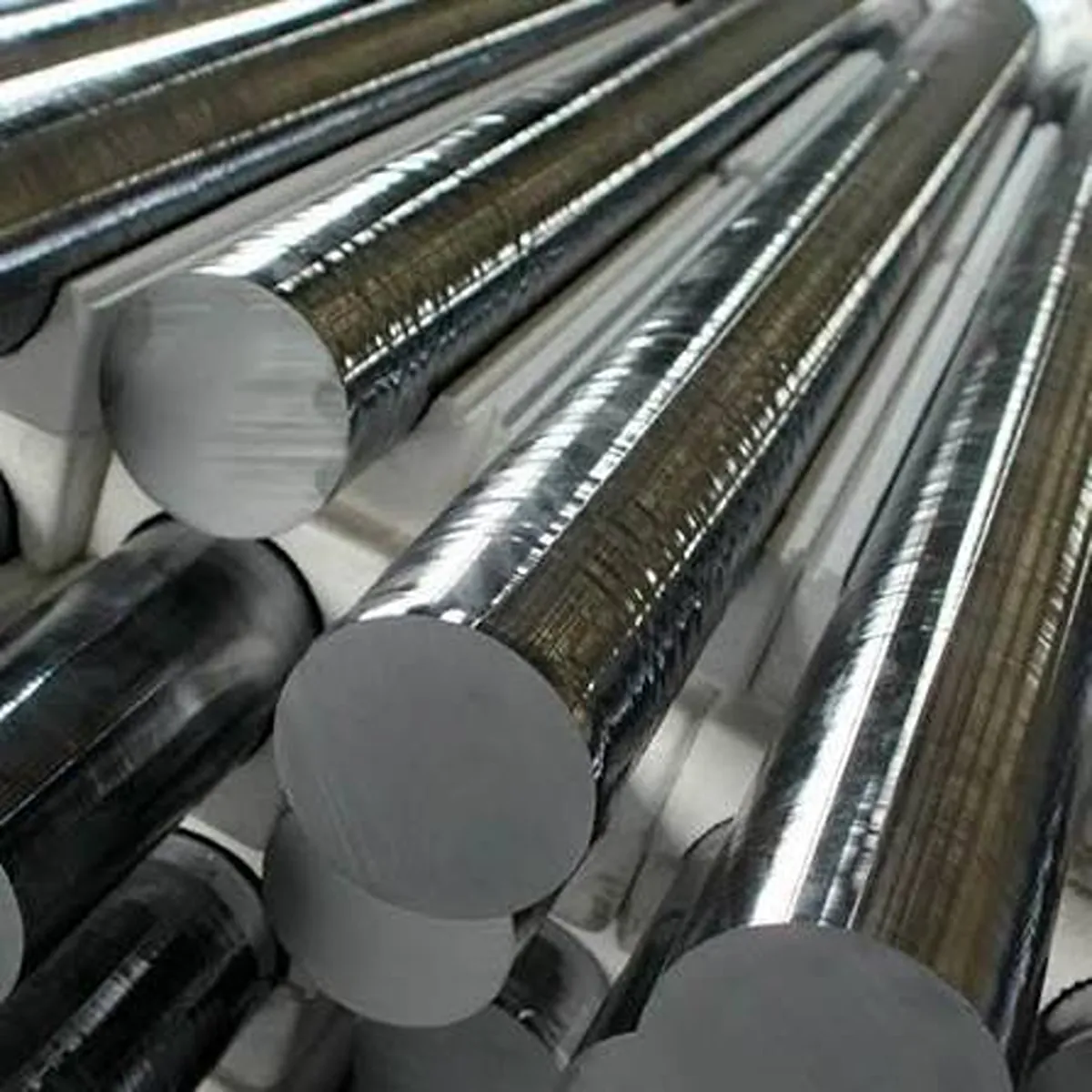
Solar wafers are thin slices of silicon used to create solar cells, while solar ingots are the cylindrical blocks from which these wafers are cut. The efficiency and performance of solar panels largely depend on the quality of these wafers and ingots. At Frontier Energies, we have found that investing in high-quality solar wafers significantly enhances the overall efficiency of our bifacial solar panels, like our Phoenix and Stellar Series.
How is India Positioned in Global Solar Manufacturing?
India is rapidly emerging as a key player in the global solar manufacturing landscape. The government has introduced several initiatives, such as the Production-Linked Incentive (PLI) scheme, aimed at boosting domestic production of solar components. As of 2023, India has installed over 60 GW of solar power capacity, contributing significantly to its renewable energy goals. The emphasis on localized solar wafer and ingot production can help reduce dependency on imports and strengthen the domestic supply chain.
What are the Key Challenges Facing Solar Wafer Production?
Despite the promising outlook, the solar wafer production industry faces challenges, including high production costs and technological limitations. To overcome these hurdles, investments in research and development are crucial. The transition from traditional PERC (Passivated Emitter Rear Cell) technology to advanced TOPCon (Tunnel Oxide Passivated Contact) technology is a prime example. At Frontier Energies, we utilize TOPCon technology, which offers a higher efficiency rate of up to 23.07% compared to the 20-22% efficiency of PERC technology.
Expert Insight on the Future of Solar Wafers
“The future of solar wafers and ingots is bright, driven by technological advancements and government support, which will ultimately lead to a sustainable energy landscape.” — Solar Industry Expert
What are the Benefits of Advanced Solar Wafer Technologies?
Advanced solar wafer technologies, such as TOPCon, provide numerous benefits, including:
- Higher energy efficiency
- Improved performance in low-light conditions
- Longer lifespan of solar panels
- Reduction in overall material usage
As India progresses towards its renewable energy targets, these advancements play a critical role in enhancing solar energy adoption.
Conclusion: The Path Ahead for Solar Wafers and Ingots in India
The future of solar wafers and ingots is integral to India’s renewable energy landscape. By focusing on innovation and local production, the country can solidify its position as a leader in solar energy. At Frontier Energies, our commitment to manufacturing high-efficiency solar panels, such as the Phoenix and Stellar Series, aligns with India’s vision for a sustainable energy future. Together, we can pave the way for a greener tomorrow.